


 EN
CN



2026/11/24 IOTCOMM 6767view
China's Ministry of Transport and seven other ministries have issued the 15th Five-Year Plan for Comprehensive Transport Hub Development, naming smart lighting energy-saving technology as a green-transition task for passenger hubs. IOTCOMM has already delivered: at Xiamen Haitian Container Terminal, lighting follows the vessel scheduling system, switches on when ships arrive and steps down between operations, cutting total annual costs by nearly RMB 200,000 at 35% energy savings. The case was covered by China Intellectual Property News and featured on the front page of Fujian Daily.
China's Ministry of Transport and seven other ministries recently issued the 15th Five-Year Plan for Comprehensive Transport Hub Development. "Promoting smart lighting energy-saving technology" is now written into the green-transition task list for comprehensive passenger hubs. Hub lighting retrofit has entered its policy cycle.

Traffic at airports, stations and terminals swings sharply. Peak hours run at full load; late nights leave only duty staff; weather changes reshape traffic conditions within hours. Lighting on a fixed schedule keeps consuming energy through idle periods, making constant illumination the single largest energy waste in a hub.
Retrofitting lighting needs limited capital, uses mature technology and produces measurable savings. That is why lighting usually moves first in green-transition programmes: energy supply reform takes time, but fine-grained control of energy use can start now.
In its report on the green upgrade of transport hubs, China Intellectual Property News cited IOTCOMM (Xiamen Iotcomm Technology Co., Ltd.) as an industry sample for smart lighting. Three Xiamen sites anchor the report.
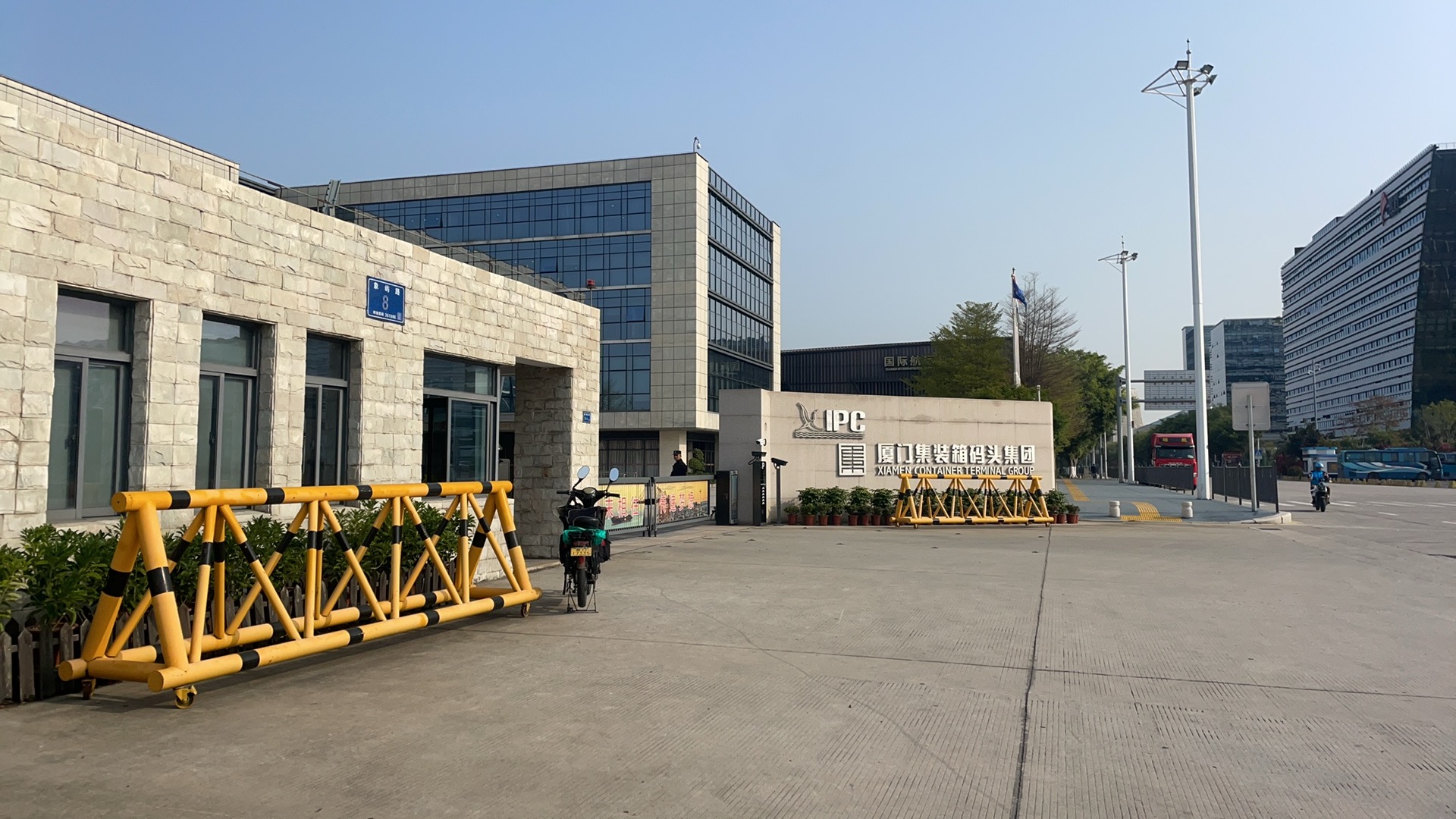
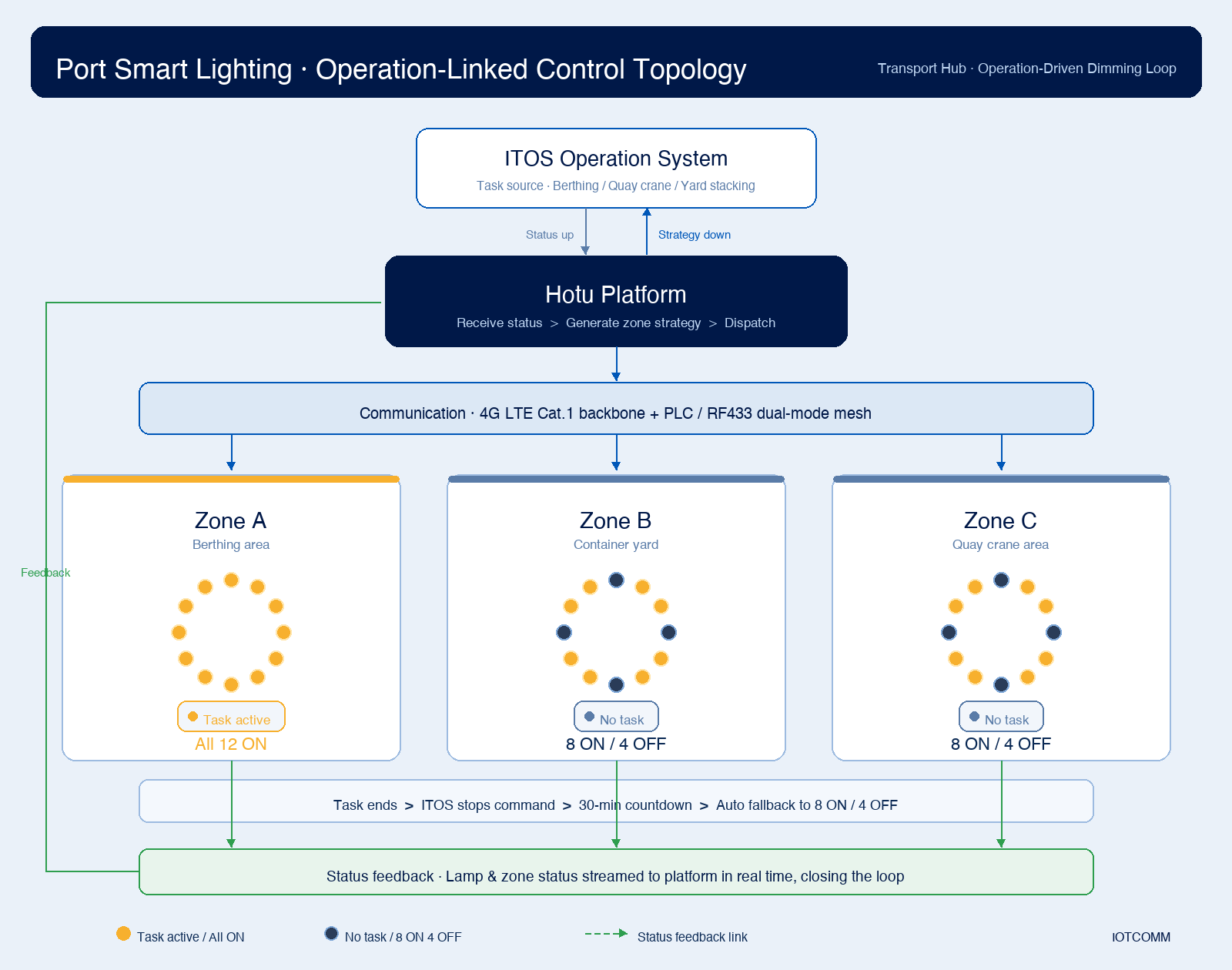
At Haitian Terminal, IOTCOMM connected smart lighting to the terminal's ITOS dispatch system. Luminaires follow the working rhythm of vessel operations: lights on when a ship berths, automatic step-down between operations.
The retrofit saves close to RMB 200,000 per year in total costs at 35% energy savings. The case was also featured on the front page of Fujian Daily.
Xiang'an New Airport is under construction, with the lighting system implemented alongside the main works. Control strategy is designed around flight density: full output during peak movements, automatic step-down between flights.
The Xiamen-Kinmen Bridge is also in construction. Lighting control takes weather and traffic conditions as inputs: illumination rises in rain and fog and responds to traffic alarms, making lighting part of the road-safety chain rather than a standalone brightness service.
Across a hub, lighting is the widest network on site. IOTCOMM's hub lighting solution runs on a two-level architecture: field devices plus platform.
Field device level: every luminaire carries a single light controller with individual addressing, dimming and status feedback. Devices connect either directly over 4G Cat.1 or through a segment controller that aggregates nearby units. Existing poles require no new cabling.
Platform level: the Hotu smart lighting platform keeps one register of luminaires, circuits and distribution equipment. External data such as flight density, vessel schedules, weather and traffic conditions flows in through open interfaces, so lighting strategy responds to live site conditions instead of a fixed timetable. Scene rules are configured on the platform side; no device parameters are changed in the field. Scheduled control remains as the fallback.
Open interfaces: Hotu is open to an owner's existing systems. Dispatch and IoT-sensing platforms can read lighting data and push strategies back. Adding a scene means adding an interface, not rebuilding the system.
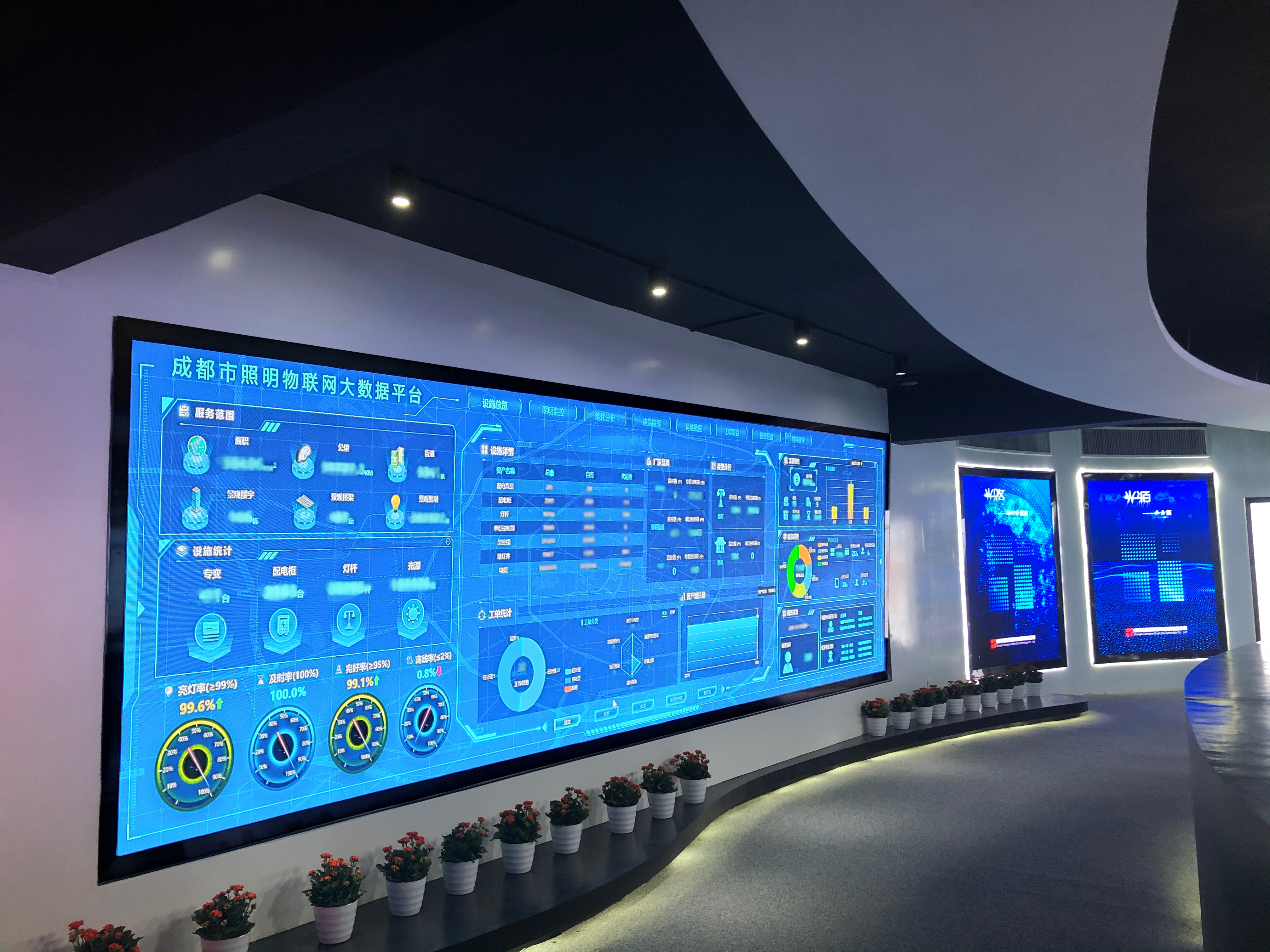
The same architecture already runs in hundreds of city projects. Two reference benchmarks:
In Chengdu, around 180,000 streetlights and more than 210,000 control nodes connect to a city-level platform, linked through standard interfaces to the city's 12345 hotline so that requests, fault alerts and work orders move through one chain.
In Bangkok, more than 30,000 streetlights were integrated into the Bangkok Metropolitan Administration's (BMA) existing platform instead of a parallel new system, maintaining an online rate above 99.5%.
From city streetlights to comprehensive transport hubs, IOTCOMM delivers a replicable, scalable energy-saving path with lighting systems that think. The new plan is expected to bring more airports, stations and terminals into scope. Beyond the sites above, several hub projects are under discussion.
Q1: How much energy can a transport hub save with smart lighting?
A: At Xiamen Haitian Container Terminal, connecting lighting to the terminal's ITOS dispatch system saved nearly RMB 200,000 per year in total costs at 35% energy savings. Actual savings depend on local electricity prices, legacy luminaire efficiency and operating schedules; an energy audit before retrofit sets the baseline.
Q2: Does a hub lighting retrofit require new cabling?
A: No. The single light controller connects directly over 4G Cat.1 or aggregates through a segment controller, reusing existing poles and circuits without disrupting hub operations.
Q3: How does the lighting system integrate with existing airport, port or bridge systems?
A: The Hotu smart lighting platform provides open interfaces. Flight density, vessel schedules, weather and traffic data flow into the platform, while the owner's dispatch and IoT platforms can read lighting data and push strategies back.
Q4: Which policy names smart lighting for transport hubs?
A: The 15th Five-Year Plan for Comprehensive Transport Hub Development, jointly issued by China's Ministry of Transport and seven other ministries, lists "promoting smart lighting energy-saving technology" in the green-transition task list for comprehensive passenger hubs.
Q5: Who is IOTCOMM?
A: IOTCOMM (Xiamen Iotcomm Technology Co., Ltd.), founded in 2010 and headquartered in Xiamen, China, is a national high-tech enterprise focused on lighting IoT for cities. Its portfolio covers single light controllers, segment controllers, the Hotu smart lighting platform and pole-mounted drone systems, deployed in more than 40 countries and over 600 cities, with the No.1 market share in single light controllers in China.
Planning a lighting retrofit or an energy management programme?
Tel: +86 592 252 0936
Email: oversea_sales@iotcomm.com
 Consult
 Top
 Pre-sales call:
 Xiamen switchboard:
 Email:oversea_sales@iotcomm.com